By the Eagle Water Damage and Restoration crew · New York, NY
Every cold snap writes the same script across the five boroughs: a pipe in an unheated wall or crawl space freezes overnight, the ice plug expands, and the pipe splits — often silently, so the water starts when the thaw comes and nobody is watching. Our phones ring heaviest in the 24 hours after the temperature climbs back.
Much of the city's housing predates modern insulation and pipe materials. Galvanized lines corrode from the inside over decades, thinning until normal pressure finishes them. Copper in exterior walls, pipes run through unheated basements and garages, and vacant units with the heat set low are the classic setups. Add a century of repairs and mixed materials, and many buildings have one weak section waiting for one hard night.
Insulate exposed pipes in unheated spaces — sleeves are cheap. Keep heat at a sane minimum in every unit, including vacant ones. On the coldest nights, a pencil-thin drip from faucets on exterior walls relieves pressure. Know where your main shutoff is before you need it at 3 a.m. And if a pipe does freeze — no pressure, ice visible — thaw it gently with warm air, never a torch, and check carefully for splits as it opens.
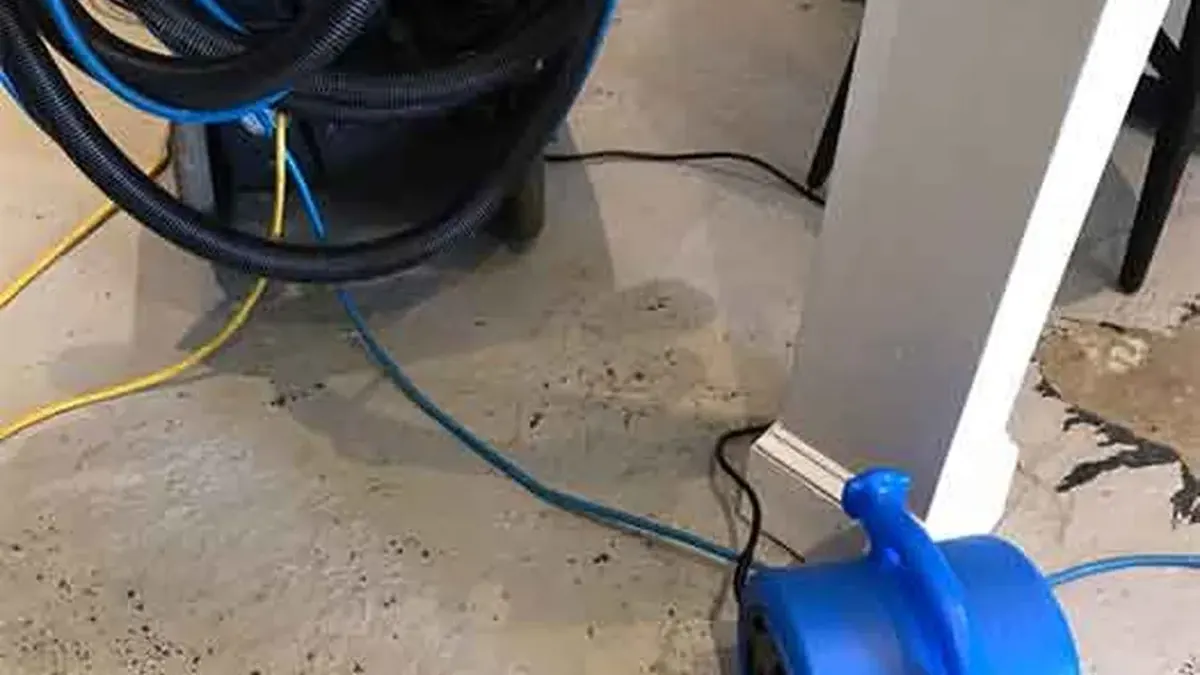
Shut the main, then call for restoration — because the plumbing repair is only half the job. The water is already inside walls, ceilings and floors, and it starts the mold clock immediately. Extraction, moisture mapping, drying and repair of the damaged finishes is the sequence that makes the building whole; skipping it is how a January pipe becomes a June mold remediation.
Call (917) 746-3218 — 24/7 across Brooklyn, Queens, Manhattan and Long Island, with a free assessment and a written scope.