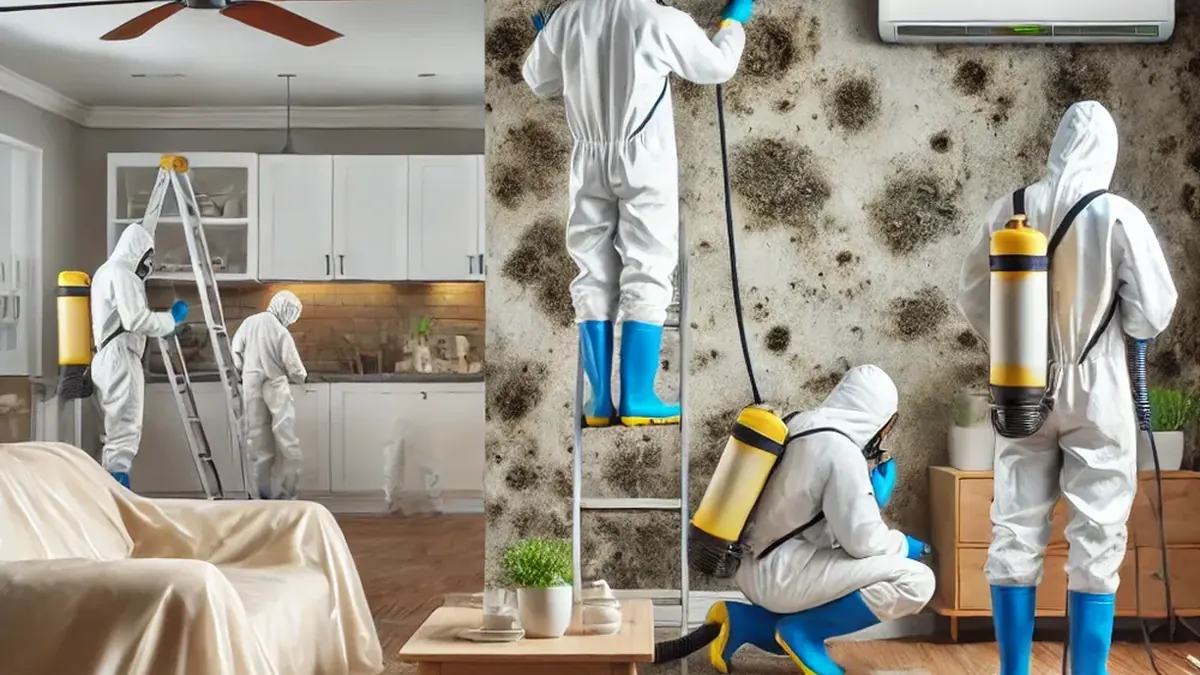
Roof leaks and poor ventilation grow mold on attic sheathing. We remove it, treat the wood and fix the conditions that caused it.
Attic mold is quiet mold: it grows on roof sheathing and rafters for seasons before a home inspection, a roof replacement or a musty upstairs bedroom gives it away. The causes are almost always the same pair — a slow roof leak, or warm moist house air condensing on cold sheathing because ventilation or bathroom exhaust was routed wrong. Our attic remediation removes the growth from wood surfaces with HEPA-controlled methods, treats the structure with antimicrobial agents, and corrects the moisture conditions — leak sources identified, exhaust and ventilation problems documented — so the attic stays clean. Common across Long Island's colonials and capes and Queens' one- and two-family homes.
One call, answered 24/7. A crew is dispatched with pumps, extraction and drying equipment — not just a clipboard.
Thermal imaging and moisture meters map the full extent of the damage, and the scope is documented for you and your carrier.
Standing water out, structure dried to verified targets, surfaces cleaned and treated — mold prevention built into the plan.
Repairs completed, final readings verified, and a walkthrough with the full documentation handed over.
It can — stack effect pulls attic air paths into living spaces in some homes, and spores travel. The bigger risks are structural (sheathing degradation) and transactional (failed sales). Remediation plus ventilation correction handles both.
Almost never. Attic remediation is done from inside, on the sheathing and framing. If the roof covering itself is at end of life, that's a roofing conversation we'll flag honestly — the mold work doesn't depend on it.